Using Comedy for Social Change & Education
A resource for diabetes advocates and professionals
 FOR HEALTHCARE PROFESSIONALS
How do you solve a problem that is widely underestimated, often perpetrated by people unknowingly, and deeply entrenched in our society? You laugh at it! No, seriously.
For far too long, diabetes stigma has been performing a one-man show – and not a very good one. Nearly 80% of adults living with diabetes report experiencing negative social judgments, stereotypes, and prejudice. That’s diabetes stigma, and it can have very real effects on the emotional and physical well-being of people living with diabetes. On top of that, stigma obstructs vital awareness and prevention efforts that could help those at risk.
Stigma has become embedded in our current cultural narratives about diabetes. It’s why jokes like “wow, that dessert looks like diabetes on a plate” feel normal, but hearing a CGM beep in public feels weird. To eliminate diabetes stigma, we have to replace the current narratives with more accurate, respectful, and empowering ones.
That’s the goal of Spoonful of Laughter, an initiative of the diaTribe Foundation, and we want to challenge everyone to experiment with adding a little humor to their awareness and education initiatives.
Why use comedy to educate about diabetes stigma?
Research shows that an unlikely, but extremely effective strategy for shifting cultural narratives or educating about complex issues is to use comedy to propel your messaging. That’s because comedy can:
We’ve seen humor work in other social change movements, such as marriage equality, and we know it can work for diabetes education and awareness, too.
But… is diabetes even funny? Are we really allowed to joke about that? You can find humor in almost anything, but this guide provides some practical tips and exercises to help ensure your punchline helps combat stigma instead of amplifying it.
How to get started using comedy as a messenger
1. Find common ground to unite your audience!
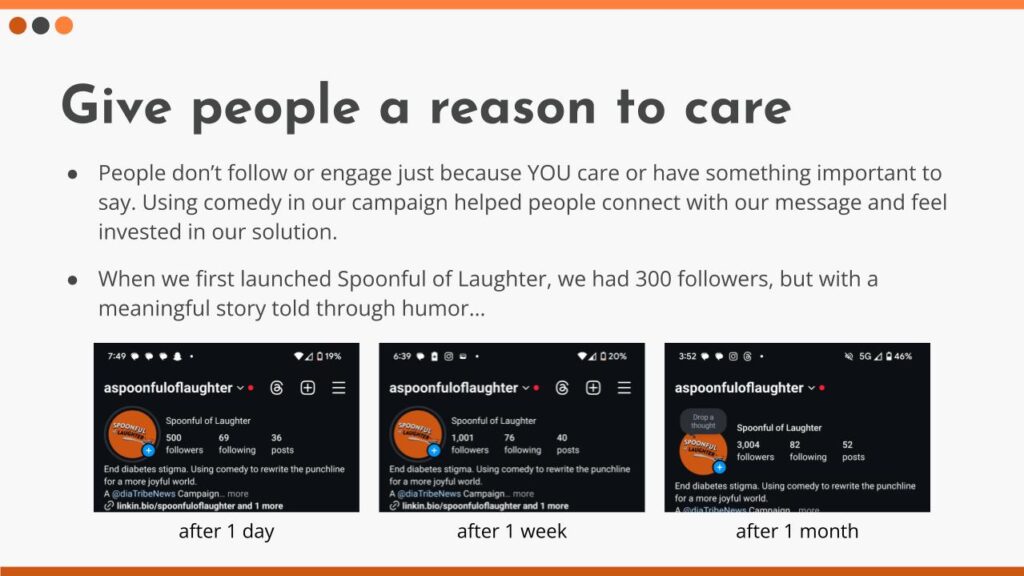
To successfully spark social change, people need a reason to care about your message. This is especially true for issues like diabetes stigma that likely aren’t top of mind for the average person.
Comedy is a useful tool for telling stories that tap into universal human experiences and make an idea memorable. For example, not everyone knows how difficult it is to travel as a person living with diabetes, but most people can relate to the irrational fear of airport security mistaking something in your bag for contraband.
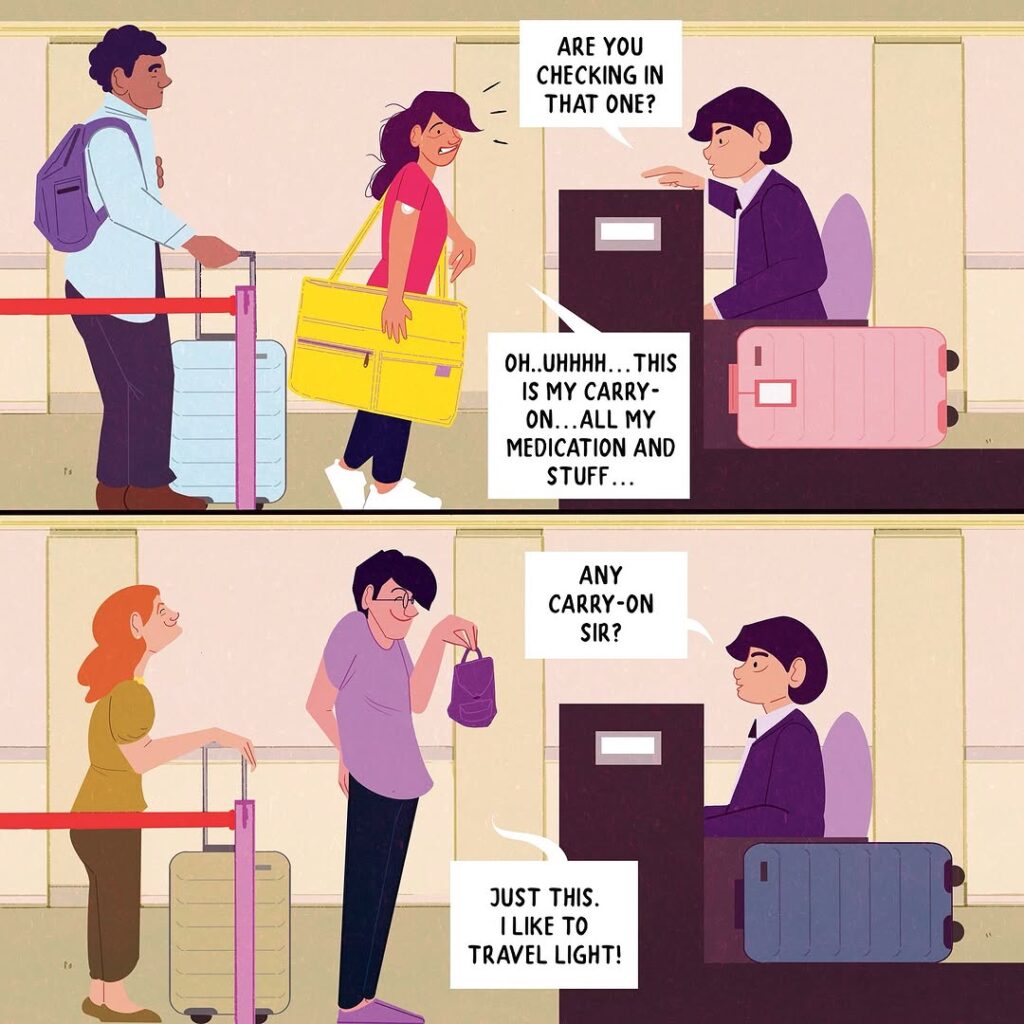






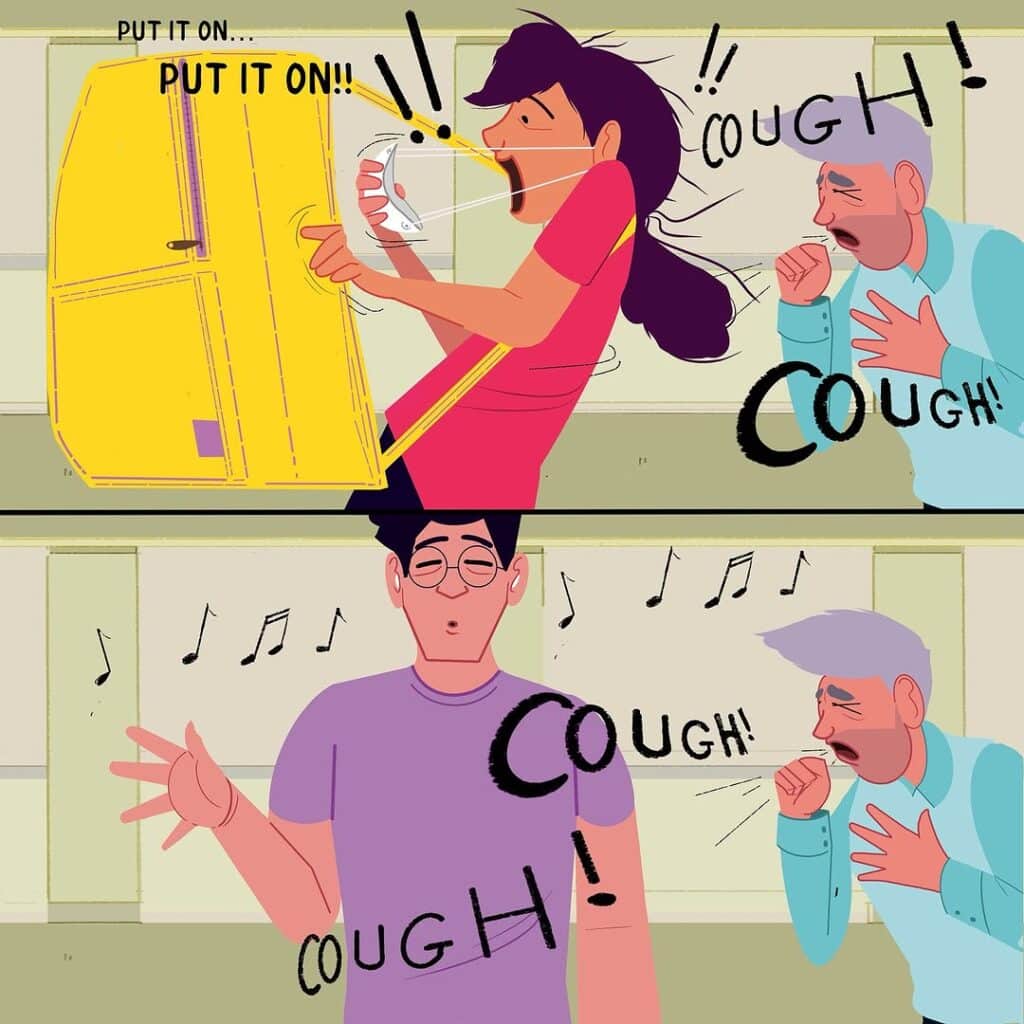

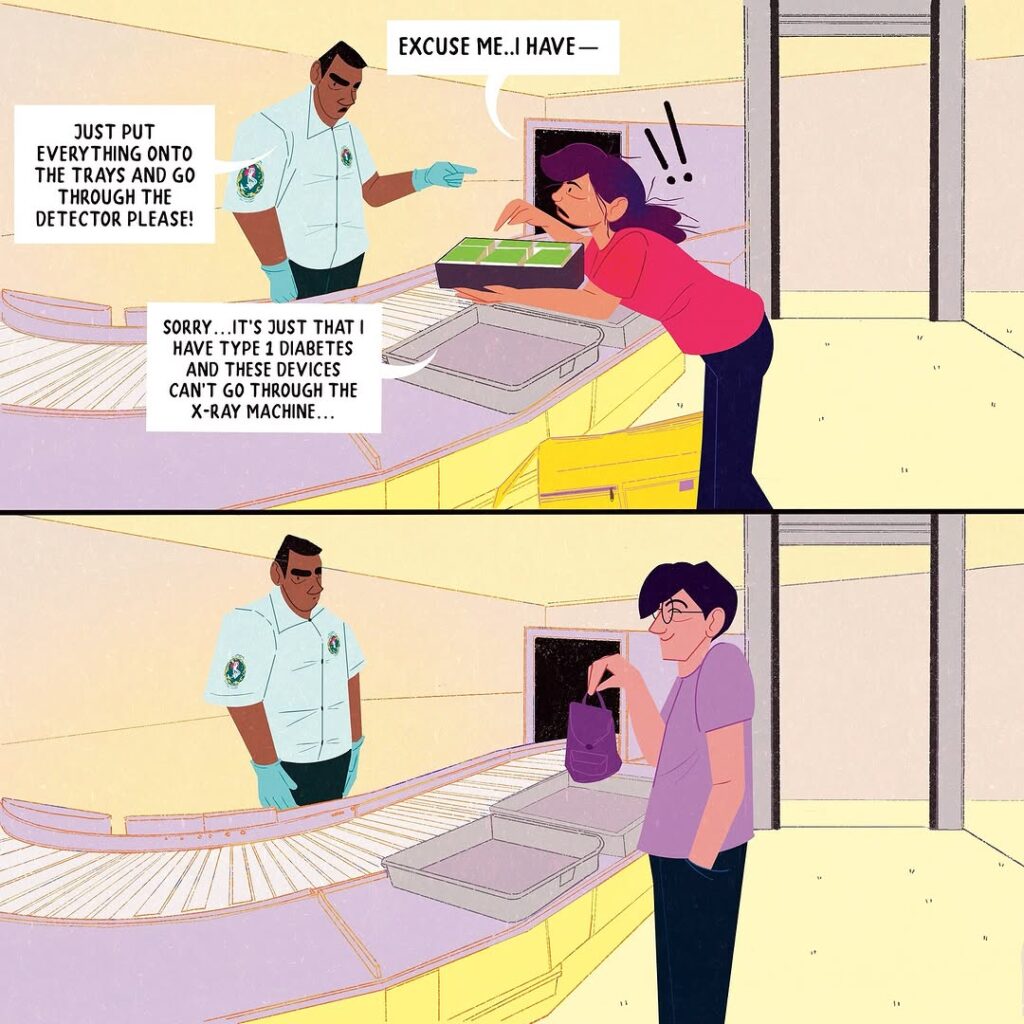
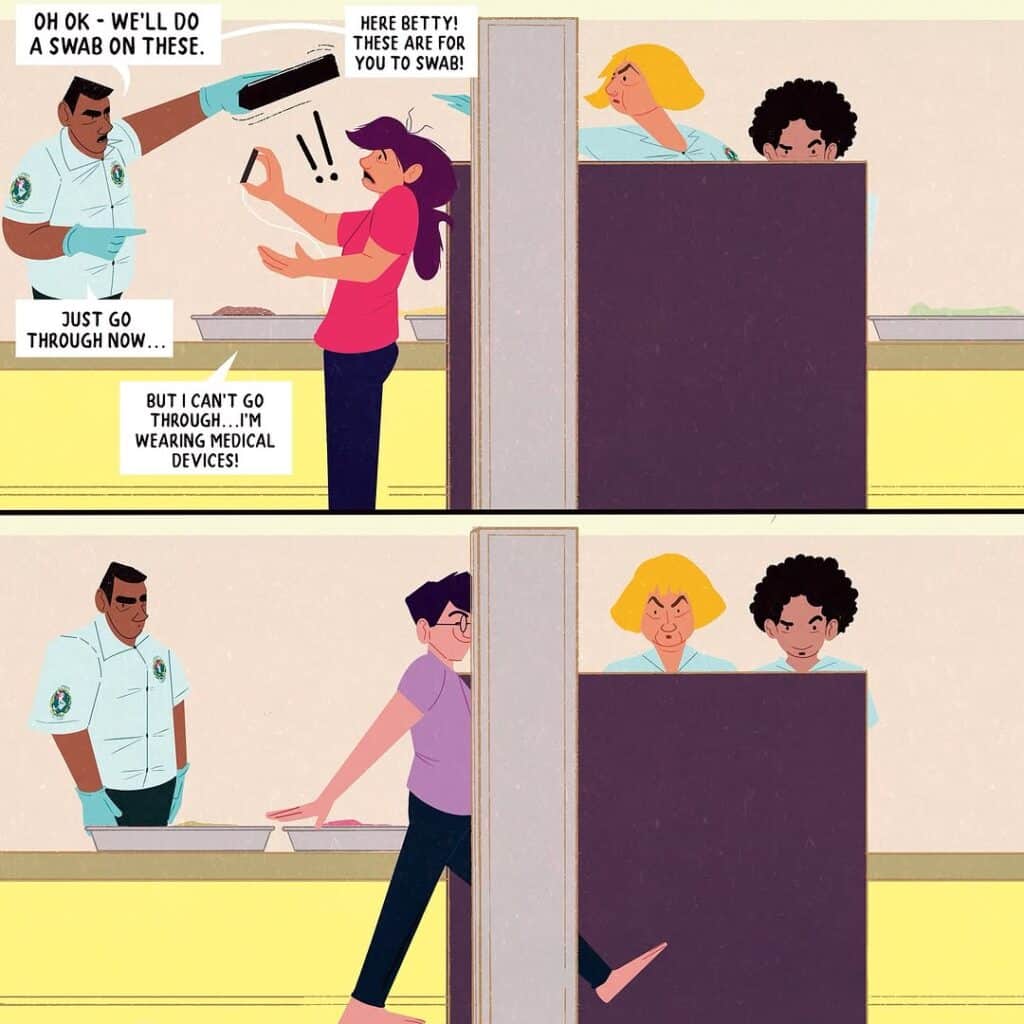

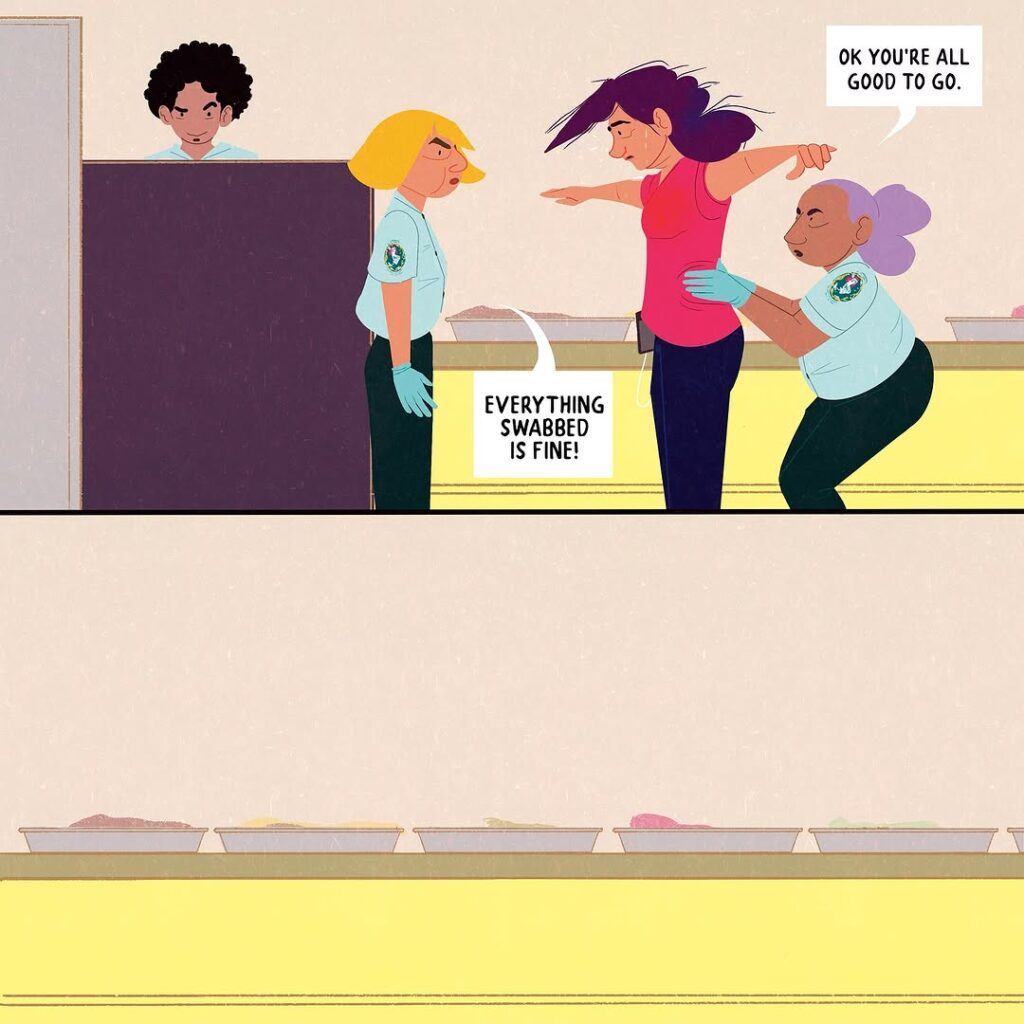
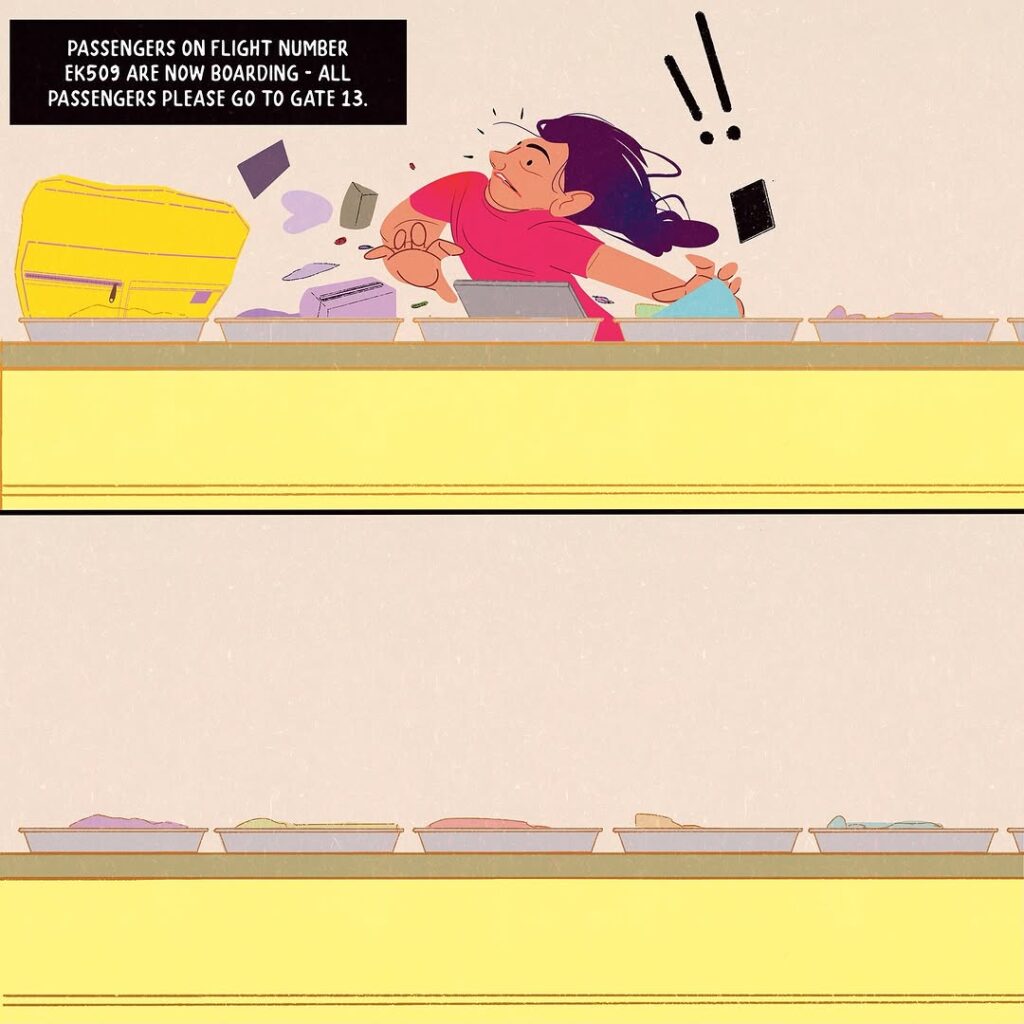
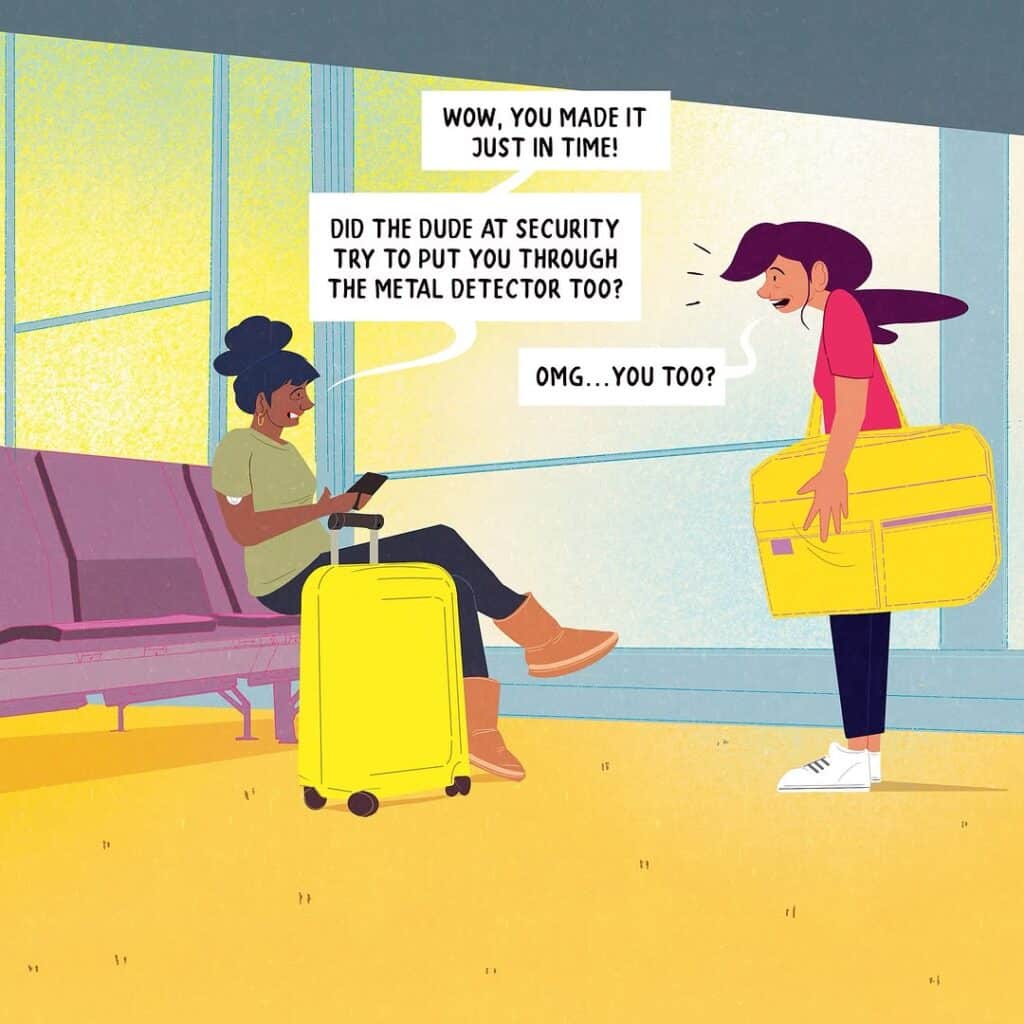
Illustrated by Miss Diabetes in collaboration with Spoonful of Laughter
Finding common ground between the challenges of navigating diabetes stigma and challenges that people without diabetes may experience is key for growing a grassroots movement into a cultural phenomenon. We’re all stronger when we focus on the many things we have in common instead of the things that divide us.
Try this: brainstorm a list of situations that people with diabetes experience where stigma or misconceptions may come up. Aim for quantity, not quality. Do any scenarios overlap with a challenge that people who aren’t familiar with diabetes experience?
2. Amplify the solution, not the stigma!
When using comedy (or any format) to draw attention to an issue like diabetes stigma, it can be easy to inadvertently amplify the stigma without elevating a clear, actionable solution.
Why? Because evidence suggests that “mythbusting” formats – presenting the “myth” or harmful thing first and debunking it second – lead to people remembering the myth, not the fact! The first thing people see or hear is what sticks. So when a campaign opens up by sharing a common misconception or quoting stigmatizing statements, they risk amplifying the stigma they seek to resolve.
Comedy is an attention-catching way to make the whole scene memorable, especially the punchline that demonstrates a meaningful solution. There are also many common frameworks in comedy to help set the scene and deliver a laugh that don’t rely on the same old myth-busting formats. More on those later!
3. People with diabetes aren’t the punchline!
The many trials and tribulations of navigating life with diabetes can be full of moments of humor, but it’s key to laugh with people with diabetes, not at people with diabetes.
For example, a scene where someone has to steal candy from a baby to treat a low blood sugar while they explain to the clueless baby that their life depends on it could be hilarious! But making fun of the person with diabetes for experiencing a low that is beyond their control thanks to the diabetes they never asked for? That’s not the funny part.
Try this: take your favorite scenarios from your brainstorm above and challenge yourself to think of which parts of those situations could be funny without turning the person into the punchline!
4. Avoid punching down!
Just like making fun of a person living with diabetes isn’t the goal, “punching down” to make a joke about someone else isn’t a great solution either. This is especially true when that someone else is another marginalized group who may be experiencing great challenges of their own.
Making a joke about people with type 2 diabetes isn’t going to help remove the stigma associated with type 1. Making a joke about a person with diabetes who is an amputee isn’t going to make your management any more successful.
Likewise, turning stigmatizers into villainous caricatures (e.g., the “Karen”) isn’t going to help someone inadvertently contributing to stigma learn to do better and get excited to hop on board as an ally. Instead of punching down, challenge yourself to find humor in other elements of the situation. Aim to call people into the conversation instead of calling people out.
Try this: No situation is one-dimensional. Take a situation and ask yourself “what if?” to explore new comedic angles or hidden complexity. What if someone else’s CGM started beeping during an uncomfortable interaction and I get to make a new diabuddy? What if the person who scoffed at me for injecting insulin in public was actually scoffing at the person behind me who didn’t pick up their dog’s poop?
Turn your stigma-busting story into comedic gold
You don’t have to be a comedian to start incorporating comedy into your work! In fact, many of the most successful comedy sketches or jokes follow familiar formulas rather than reinventing the wheel.
It all begins with an authentic story like the scenarios we encouraged you to brainstorm above. Let’s pick your favorite scenario and transform it into a pitch for a hilarious comedy sketch. Start by exploring a few common sketch formats:
Frameworks like these can help ensure your content is funny, memorable, and entertaining. That’s essential for successfully leveraging humor in your social change campaigns. If the jokes don’t land, it doesn’t matter how good your social change messaging is.
If you’re struggling to find the punchline yourself, consider finding some amazing comedians (ideally within the communities you are elevating) and co-create with them. Let them work their magic and center the comedy messaging first. Positive social change is sure to follow.
Putting it all together
Brainstorming comedy sketches that will make you laugh until you cry isn’t just a fun game. Comedy can play a very real role in the way you or your organization educates or connects with your audience.
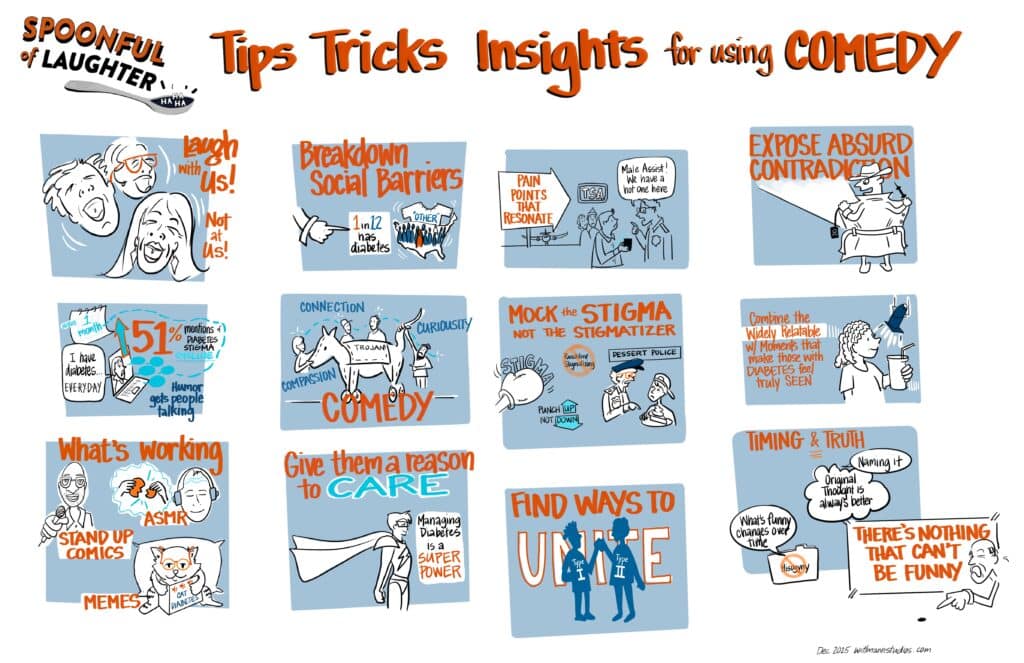
Try this: How can comedy support your initiatives? When you’re ready to bring an idea to life, try exploring some of these considerations to make the most of your movement.
Dive deeper into comedy
Since launching Spoonful of Laughter in October 2024, we’ve been overwhelmed by the response and feedback. We’ve shared millions of laughs with people around the world, helped countless people with diabetes feel seen, and demonstrated to people without diabetes that diabetes stigma is an issue worth caring about.
As we look to the future, we know that to create a lasting movement around this work, we need to share the Spoonful of Laughter philosophy and learnings far and wide. We want to empower creators, comedians, diabetes organizations, and industry members to try new, playful ways of communicating about diabetes – whether that’s with a well-timed joke, a hilarious pun, or a cheeky story.
To accomplish that, we hosted a Spoonful of Laughter workshop and are now sharing everything we learned with you.
We know that comedy has the power to rewrite the story of diabetes, so let’s laugh this stigma right off the stage, together.
Spoonful of Laughter and this workshop would not have been possible without our incredible facilitators and sponsors.
Thank you to Brooking Gatewood of the Emergence Collective, our creative partners in crime at Dancing Fox, the hilarious minds of Laughtivism, and the artful eye of Kriss Wittmann for bringing this workshop to life.
This resource was created for dStigmatize, a diaTribe Foundation program, with support from Genentech and Vertex.


Citations