Global Summit to End Diabetes Stigma: Perspectives & Insights
 FOR HEALTHCARE PROFESSIONALS
What was the Global Summit to End Diabetes Stigma?
At the inaugural Global Summit to End Diabetes Stigma, delegates shared lived experiences, research findings, impactful solutions, collaborative efforts, and best practices for stigma-free advocacy, education, and care. Insights from the Summit will shape a global roadmap that identifies practical actions to drive meaningful change.

Major Themes, Gaps, and Topics
The biggest takeaway from the Global Summit? Two days wasn’t nearly enough time to discuss every facet of diabetes stigma. For those unable to attend the Summit, we’ve summarized four major themes that stood out across the weekend.
Diabetes stigma is a global problem that looks different across cultures & contexts
Though people report experiencing diabetes stigma all over the world, stigma can look very different in its manifestations depending on where you are in the world, your access to healthcare and community support, cultural beliefs and context, and more.
There is a need for research, education, community interventions, and advocacy efforts that specifically help us better understand and address these differences with targested solutions.
#LanguageMatters has set the stage
Before #EndDiabetesStigma, dStigmatize, or other campaigns raising awareness of stigma, the #LanguageMatters movement showed the power of choosing language that is respectful, stigma-free, and nonjudgmental. This guidance has been translated into dozens of languages.
Delegates shared insights from #LanguageMatters advocacy efforts, like the importance of cultural context, lived experience co-creation, grassroots advocacy efforts, and more.
Diabetes stigma remains stubborn in healthcare environments
We know that diabetes stigma shows up in lots of different settings, but delegates from every corner of the globe shared a common experience of dealing with stigma in healthcare environments.
Rarely do health professionals intentionally stigmatize the people they care for, but subconscious biases, training, or belief systems may contribute unintentionally to stigma. However, cultures may view these experiences differently depending on beliefs around identity, authority, healthcare, and more.
There’s so much to learn from other health stigma movements
Diabetes stigma is not the only form of health stigma that exists. We may be able to adapt, learn from, or emulate successful interventions and advocacy techniques from people working to address stigma in communities living with HIV/AIDS, substance use, mental illness, cancer, obesity, and more.
dStigmatize at the Global Summit
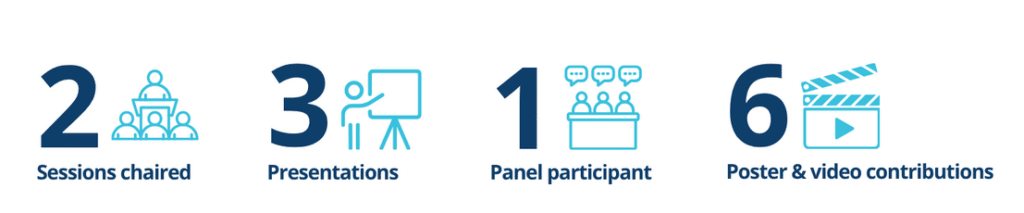
As a Trailblazing Partner and a member of the Steering Committee for the Global Summit, diaTribe was directly involved in the planning and execution of this inaugural gathering.
Across the Summit’s contributions, panel participation, and session presentations, diaTribe’s dStigmatize program was well represented with program staff and collaborators helping to drive discussions around stigma research, culture-change, community-based solutions, stigma-free healthcare delivery, and creative arts as an advocacy tool.
dStigmatize highlighted a number of its initiatives throughout the Summit program including the Spoonful of Laughter campaign, educational resources on diabetes stigma in sports, exercise, and physical activity, and research on the experience of type 2 diabetes stigma in healthcare.
How dStigmatize is Integrating Learnings from the Global Summit
Campaigns and messaging: After a workshop from Common Cause Australia to hone our skills on message development for stigma awareness and stigma-free campaigns, we aim to employ these techniques across our slate of diaTribe campaigns. This means crafting a message that identifies an attractive and relatable vision, describes the barriers to that vision, and tells the audience exactly what actions will allow us to overcome that barrier.
Benchmarking success: There is a need for ways to benchmark progress and measure success, but delegates emphasized that there may be ways for organizations and advocates to combine formalized, validated tools with proxy measures, smaller-scale research surveys, community efforts, and more to expand our ability to measure change. dStigmatize is working to identify metrics of success that we can begin tracking year over year.
Building the network: In multiple sessions, delegates spoke to the need for collaborative, cross-sector interventions and initiatives to address diabetes stigma. dStigmatize is expanding our network, starting with the Global Summit delegation, to improve and iterate on our initiatives. We aim to address diabetes stigma at multiple levels and intend to work collaboratively with experts, advocates, and partner organizations.
This resource was created for dStigmatize, a diaTribe Foundation program, with support from Lilly, AstraZeneca, the Boehringer Ingelheim-Lilly Alliance, and Genentech.